
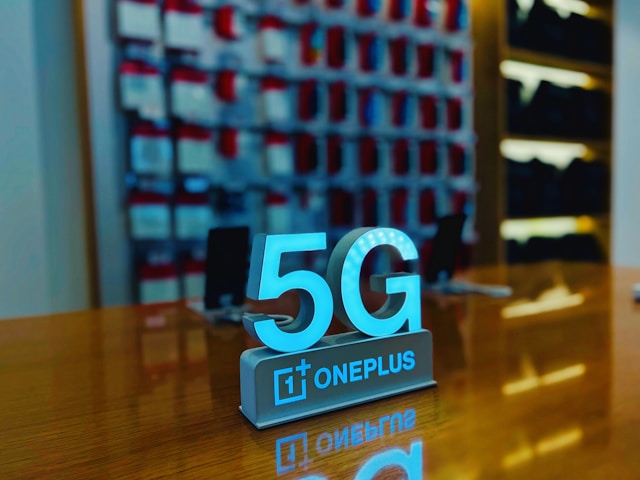
The internet keeps getting faster, and 5G is one of the biggest changes people are experiencing right now. While many people already use 4G on their phones, 5G brings quicker speeds, smoother connections, and better performance in everyday activities. As technology continues improving, experts are already talking about what comes after 5G and how future networks may change daily life even more.
But what does all of this really mean for regular people?
Here’s a simple look at how faster internet could affect everyday life at home, at work, and on the go.
Faster Streaming and Downloads
One of the first things people notice with 5G is speed. Videos load faster, movies download quicker, and streaming becomes smoother with less buffering.
This can make activities like:
Watching live sports
Streaming movies in HD or 4K
Playing online games
Video calling friends and family
feel much more seamless and enjoyable.
Instead of waiting minutes for large files to download, many people can access content almost instantly.
Better Online Gaming
For gamers, faster internet can make a huge difference. 5G helps reduce lag, which is the delay between pressing a button and seeing the action happen on screen.
This means:
Faster response times
Smoother multiplayer gaming
Better cloud gaming experiences
Fewer connection interruptions
As internet technology improves beyond 5G, gaming could become even more immersive with virtual reality and augmented reality experiences.
Smarter Homes and Devices
Many homes now use smart technology like security cameras, smart TVs, voice assistants, and connected appliances. Faster internet helps these devices work together more efficiently.
With stronger networks, people may enjoy:
Faster smart home responses
More reliable security systems
Better video quality from smart cameras
Improved automation around the home
Future internet systems may support even more connected devices without slowing down the network.
Easier Remote Work and Online Learning
Remote work and online learning have become a normal part of life for many people. Faster internet helps improve video calls, file sharing, and online collaboration.
This can make it easier to:
Attend virtual meetings
Upload large files quickly
Join online classes smoothly
Work from different locations
As networks continue improving, people may have even more flexibility to work or study from almost anywhere.
Improved Healthcare Technology
Faster internet may also help healthcare services improve over time. Some hospitals and clinics already use technology for virtual appointments and remote monitoring.
With stronger connections, healthcare systems could support:
Faster medical data sharing
More reliable virtual doctor visits
Better remote patient monitoring
Advanced medical technology
This may help people access healthcare services more conveniently in the future.
Smarter Cities and Transportation
Cities around the world are slowly becoming more connected through technology. Faster internet can support systems that help traffic flow better, improve public transportation, and increase safety.
Possible improvements include:
Smarter traffic signals
Better navigation systems
Faster emergency response communication
More connected public services
Future internet technology could also support self-driving vehicles and advanced transportation systems.
What Comes Beyond 5G?
Technology companies are already researching future networks that may go beyond 5G. These future systems could offer even faster speeds, lower delays, and stronger connections.
While it may take years before newer technology becomes common, experts believe future internet systems could support:
Advanced artificial intelligence
More realistic virtual experiences
Smarter devices and automation
Faster global communication
The goal is to make digital experiences feel more natural, instant, and connected.
Final Thoughts
5G is more than just faster internet on a phone. It has the potential to improve entertainment, work, education, healthcare, and everyday technology.
As internet technology continues evolving, people may see even smarter devices, better communication tools, and more connected experiences in daily life. While changes may happen gradually, faster internet is already shaping the way people live, work, and stay connected in 2026 and beyond.

No comments yet.