
Traveling in Europe is exciting. You get to see famous cities, beautiful landscapes, and different cultures all in one trip. But many first-time travelers make small mistakes that can affect their experience or even cost them extra money.
If you are planning a trip to Europe in 2026, knowing these common mistakes can help you travel smarter, save money, and enjoy your journey more.
1. Trying to Visit Too Many Countries
One of the biggest mistakes tourists make is planning too many countries in a short time.
Europe may look small on the map, but many people assume they can easily visit 5–7 countries in a single trip. But in reality, moving between countries takes time, energy, and money.
Instead of enjoying each place, travelers end up rushing through airports, trains, and bus stations.
A better approach is to focus on 1–2 countries and explore them properly. You’ll enjoy the experience much more.
2. Not Booking Trains and Flights Early
Transportation in Europe can get expensive if you book late.
Many tourists wait until the last minute, thinking prices will stay the same. But usually, prices go up as the travel date gets nearer.
Trains, budget flights, and even buses are usually cheaper when booked early.
Planning ahead can help you save both money and stress.
3. Staying Only in Tourist Areas
Many travelers book hotels only in popular tourist areas because it feels safer or more convenient.
But these areas are often more expensive, crowded, and less authentic.
You miss out on the real local lifestyle when you stay only in tourist zones.
Instead, try staying in nearby neighborhoods. They are often cheaper and give you a more real experience of the city.
4. Not Learning Basic Local Phrases
English is spoken in many parts of Europe, but not everywhere.
Some tourists don’t try to learn even simple words like “hello,” “thank you,” or “please” in the local language.
Locals usually appreciate small efforts, even if your pronunciation is not perfect.
It can also make daily interactions easier when ordering food or asking for directions.
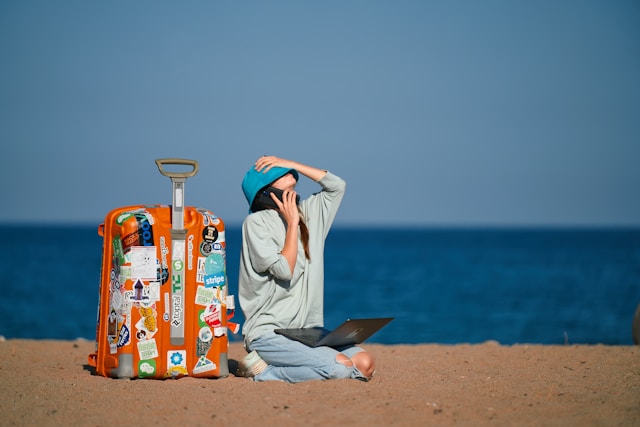
5. Overpacking Luggage
Many tourists bring too many clothes and items “just in case.”
But Europe travel often involves walking, trains, stairs, and small hotel rooms. Heavy luggage can quickly become a problem.
Overpacking also makes moving around stressful.
A simple rule is: pack light and bring only what you really need. You can always pick up small items if you need them.
6. Ignoring Local Transport
Some travelers rely only on taxis or private transport because it feels easier.
But in many European cities, public transport is fast, safe, and affordable.
Trains, trams, and buses can take you almost everywhere.
Using local transport also helps you save money and lets you experience the city like a local.
7. Eating Only in Tourist Restaurants
Restaurants near famous attractions are often overpriced and not always the best quality.
Tourists sometimes assume these are the “best places,” but that’s not always true.
Walking just a few streets away can lead you to better food at lower prices.
Trying local food spots is part of the real travel experience.
8. Not Checking Seasonal Weather
Europe has different seasons, and the weather can change a lot depending on the country and time of year.
Some tourists arrive in summer without realizing how hot and crowded cities can get. Others visit in winter without proper clothing.
Checking the weather before your trip helps you pack properly and plan your activities better.
9. Exchanging Money at Airports
Many travelers exchange money at airports because it feels convenient.
However, airport exchange rates are usually higher, meaning you lose more money.
It is often better to use local ATMs or exchange money in the city where rates are better.
Even small differences can add up during your trip.
10. Not Planning Rest Days
Some tourists plan activities every single day of their trip.
While it sounds exciting, it can quickly become exhausting. Traveling, walking, and exploring new places take a lot of energy.
Without rest days, you may feel tired and unable to enjoy the experience fully.
Adding free days to relax or explore slowly makes your trip more enjoyable.
Final Thoughts
Traveling in Europe can be one of the best experiences of your life, but small mistakes can easily affect how much you enjoy it.
The key is simple: don’t rush, plan smartly, and travel with balance.
If you avoid these common mistakes, you’ll spend less money, feel less stressed, and enjoy Europe in a more meaningful way.
In the end, travel isn’t about doing everything—it’s about enjoying every moment of the trip.
No comments yet.