
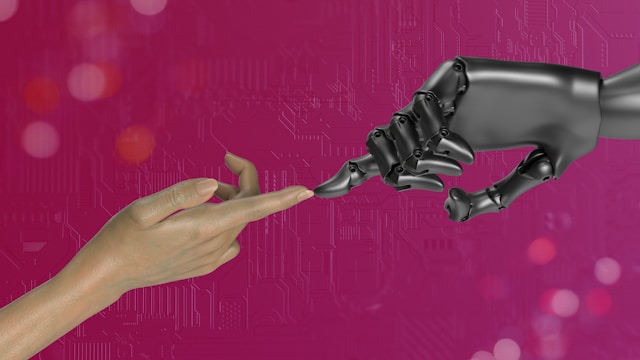
Artificial intelligence, often called AI, is becoming part of everyday life faster than many people expected. In 2026, AI is no longer something only large tech companies use. It is now helping workers, students, small businesses, and creators complete tasks more quickly and efficiently.
From customer service to healthcare, AI is changing how people work. While some people worry about jobs disappearing, many workers are also discovering new opportunities and easier ways to handle daily tasks.
AI Is Helping People Work Faster
One major way AI is transforming the workplace is by making everyday tasks quicker and more efficient. Many jobs now use AI tools to help complete repetitive tasks in less time. Workers can spend more time focusing on creative thinking, problem-solving, and communication instead of doing the same tasks over and over.
For example, office workers use AI to:
• Write emails
• Organize schedules
• Summarize documents
• Create presentations
• Analyze data
Instead of spending hours on small tasks, employees can often finish them in minutes.
Popular AI platforms like OpenAI and Microsoft Copilot are becoming common tools in many workplaces.
Customer Service Jobs Are Evolving
Many businesses now use AI chatbots to answer simple customer questions. This helps companies respond faster and provide support at any time of the day.
However, human workers are still very important. AI usually handles basic questions, while real employees solve more complicated problems and provide personal support.
This means customer service jobs are changing rather than completely disappearing. Workers may now focus more on communication, problem-solving, and customer relationships.
AI Is Supporting Healthcare Workers
Doctors and nurses are also using AI tools in helpful ways. AI can help organize medical records, remind patients about appointments, and assist with detecting certain health conditions earlier.
Healthcare workers still make the important decisions, but AI helps reduce paperwork and saves time. This may allow medical professionals to spend more time caring for patients.
Technology companies such as Google Health are continuing to develop AI systems for healthcare support.
Teachers and Students Are Using AI for Learning
Learning and education have evolved significantly over the past few years. Many teachers now use AI to create lesson plans, quizzes, and study materials more quickly.
Students also use AI tools to:
• Research topics
• Practice writing
• Learn new skills
• Study languages
• Organize assignments
AI can make learning more flexible and accessible for many people around the world.
Still, teachers remain important because students need guidance, encouragement, and real human interaction.
Creative Jobs Are Changing Too
Many people once believed AI could never assist with creative work. In 2026, that idea has changed. Writers, designers, video editors, and social media creators now use AI tools every day.
AI can help creators:
• Generate ideas
• Edit videos
• Improve images
• Write captions
• Create content outlines
Platforms like Canva and CapCut make content creation easier for beginners and professionals alike.
Although AI can help with creative tasks, many people still appreciate unique ideas, personal style, and genuine human storytelling.
Some Jobs May Require New Skills
As AI continues growing, many workers are learning new skills to stay competitive. Digital skills are becoming more valuable in many industries.
Some useful skills in 2026 include:
• Communication
• Problem-solving
• Video editing
• AI tool management
• Social media marketing
• Data analysis
• Critical thinking
Many employers now value workers who can combine traditional job skills with the ability to use AI tools effectively.
Remote Work Is Becoming Smarter
AI is also improving remote work. Virtual meetings can now include automatic note-taking, translations, scheduling assistance, and smart reminders.
This helps teams stay organized even when employees work from different locations.
Remote workers and freelancers are using AI to manage projects, communicate with clients, and improve productivity.
AI Is Creating New Job Opportunities
While some jobs are changing, new careers are also appearing. Businesses now need people who understand AI systems and know how to use them responsibly.
New opportunities include:
• AI content editing
• Prompt writing
• AI training support
• Digital marketing
• Tech support
• Automation management
Many people are even starting online businesses using AI tools to save time and reduce costs.
The Human Touch Still Matters
Even with rapid technology growth, human skills remain extremely valuable. Empathy, creativity, leadership, and emotional understanding cannot easily be replaced by machines.
Most experts believe AI will continue assisting workers rather than fully replacing most jobs. People who adapt, learn, and stay flexible may benefit the most from these changes.
Final Thoughts
AI is changing everyday jobs in many ways in 2026. It is helping workers save time, improve productivity, and learn new skills. At the same time, it is encouraging people to adapt and prepare for a more digital future.
Although technology continues evolving, human creativity and connection still play a major role in the workplace. Learning how to work alongside AI may become one of the most valuable skills for the future.



No comments yet.